Introduction
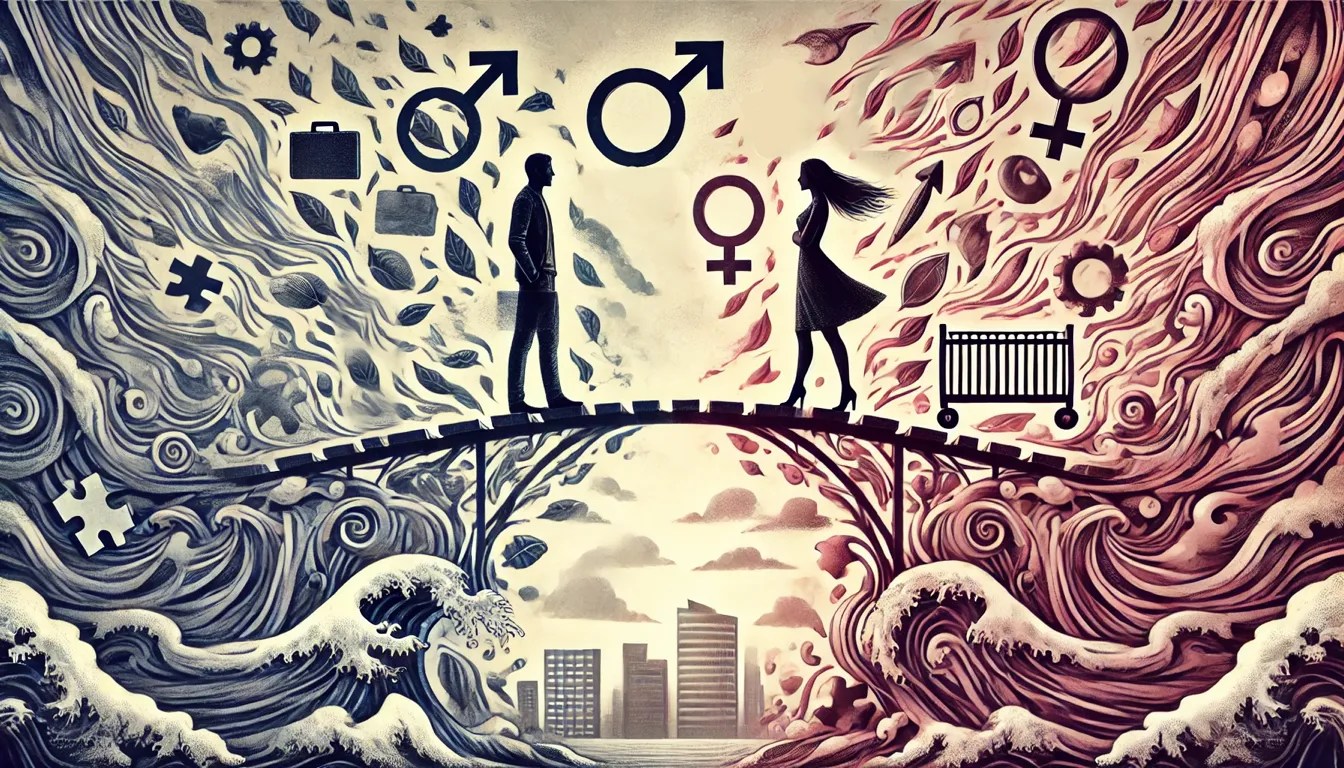
Before I wrote this commentary, I had been wanting to have a conversation with female friends concerning these thoughts about cis women, men and gender roles from observations I’ve made within experiences I’ve had. The primary experiences I draw from… are my romantic and non-romantic relationships with 2nd generation Latinas from humble beginnings that are now professionals with advanced degrees. Henceforth, when referring to women, I refer to this profile. As my observations extend to secondary experiences I draw from with other women of color and Latinos, my thoughts within may well similarly apply.
My lived observations are the specific instances from which the commentary infers broad trends. These observations are of a small sample of people with whom I have been friends and/or lovers. In heeding some advise, I acknowledge that my observations and inferences are made with my eyes and interpreted with my mind with all that has gone to shape its current state. Therefore, the ideas should be viewed with healthy skepticism as the sample is small and its selection biased.
This commentary also springs from the contributions of six female friends who generously agreed to be readers of an early version. These women’s reactions varied with some giving favorable reviews and others either dismissing it or suggesting I burn it. I learned a lot from their remarks and I sincerely hope my attempts to incorporate their critiques improves the commentary’s quality. For example, I learned how some of my reactions to relationships situations, however understandable, actually undermined and limited the scope of the message I sought to convey. Consequently, I am grateful for the time they took, their patience and insight.

I want to dedicate this commentary to its most important source, my mother Josephine Rodriguez Morales. My mother was also a 2nd generation Latina, only her parents arrived from Puerto Rico in the 1920’s. She also came from humble beginnings and became an educated professional after much hard work. She also became an avowed feminist in the wave of feminism of the early 1970’s.

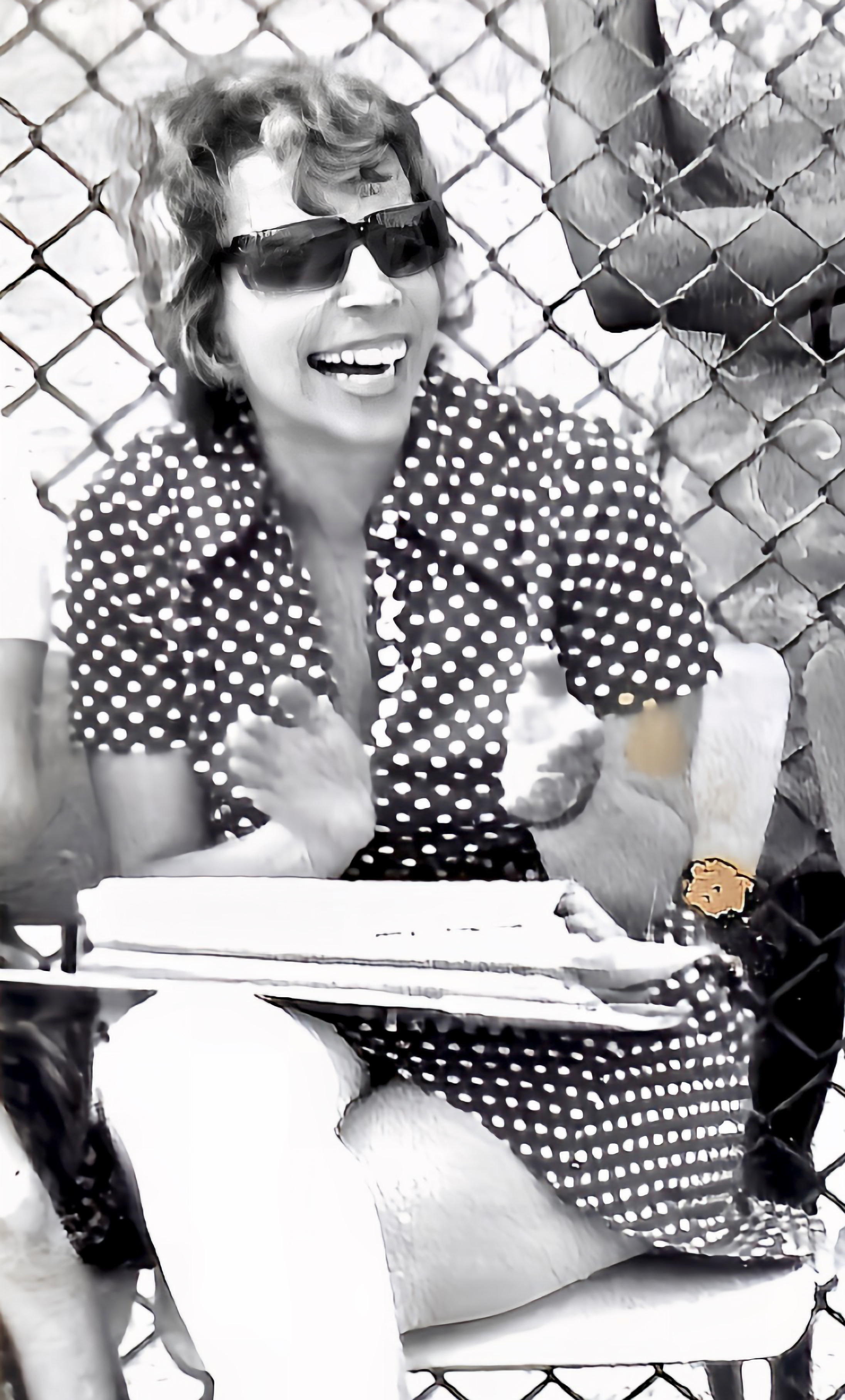


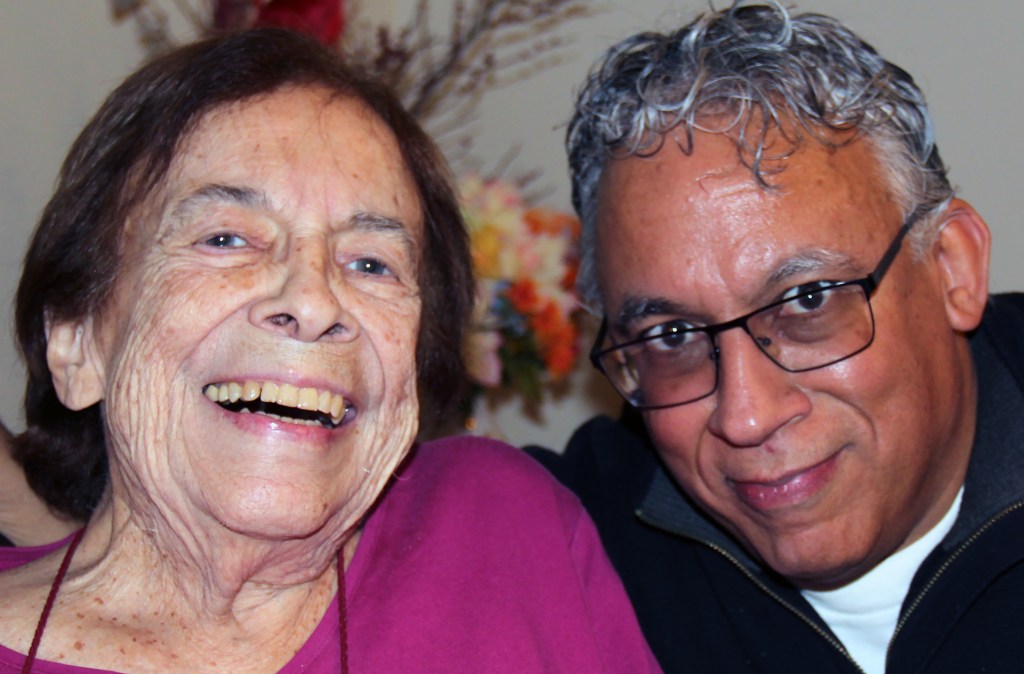
As the wave shaped my mom’s personal evolution, so my mom shaped mine. Fortunately, I was able to read a version of this commentary to my mother before she passed last year. She gave me a guarded approval, for which I am grateful .
Thus, that wave has ushered in another period of societal change in gender roles as scholarly work has recently shown to have happened many times in the past1. It’s my hope that this commentary makes a minuscule, yet positive contribution to this change.
The commentary’s purpose is to point out relationship challenges that some cis humans have in this historical moment and suggest an approach to them. I identify these challenges as a cis male participant in varied relationships with women, my comrades and collaborators in change. I want to emphasize that while the observations I make apply to both women and men, they apply asymmetrically and to varying degrees. I suggest that these observations lean more towards women because history has given them a leading role in this era’s social change. As women strive to achieve the fullness of their humanity, shaping our social evolution, they pave the path that men follow.2 I suggest that men will trail as content equals because compassion is felt for our inevitably imperfect efforts as partners and mates.
Notwithstanding the application of these challenges to both cis genders, my attention is directed first to Latinas and then to myself as a man. These challenges are often missteps arising from common foibles. Accordingly, my comments seek to gently nudge readers to consider modest refinements in our respective parts of this endeavor. No one is to blame for the challenges, but we all bear responsibility to be thoughtful and have compassion as we haltingly forge a way forward. These comments take on more urgency now because just as a grand gender role change is underway, so too a reaction has been percolating.
Part one
To begin, people today, some more, some less… appear to be “ambivalent” (or having “simultaneous conflicting feelings”) about their changing gender roles. Ambivalence seems plainly true for women, given their position at the forefront of these changes. This idea’s nuances include ambivalence directed at a culture that encompasses gender roles. Thus, women may feel ambivalent about their cultures… should they adhere to, respect, accept or defy, disrespect, reject their culture’s traditional roles for women? For some, being Latina is actually synonymous with their culture and the question becomes should their culture be abandoned or just adjusted? Moreover, others point to more granular contributors to ambivalence such as an individual’s personality and past experiences. Importantly, this ambivalence has consequences for cis relationships.
However the idea is formulated, at a basic level, I surmise that ambivalence arises from a deeper drive… people want “connection” to others…in other words, intimacy, closeness and social bonds.
All the same, cis human relations are a numbingly complex “choreography” that “dancers” follow to mediate the forming and dissolving of social bonds. The “steps” in this choreography include gender roles each dancer learns to follow to enable those bonds across and within gender lines. Historically, “sticking to the steps” or conforming to gender roles, favors bonds, and yet, sometimes they don’t.
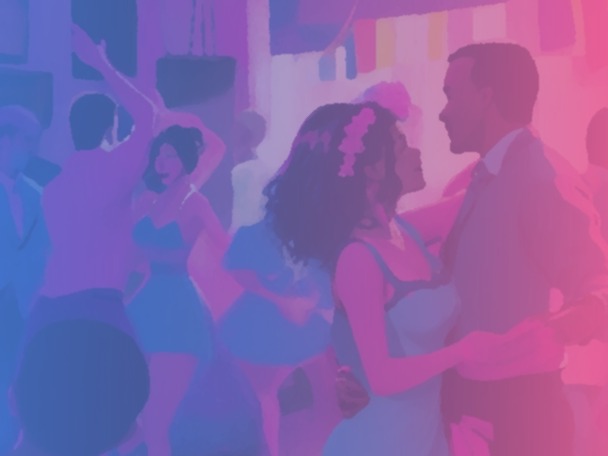
Unsurprisingly, a person will usually move towards enhancing bonds, but still, sometimes not. Thus, “sticking to the steps” likely fluctuates amongst men and women throughout history – sometimes less, sometimes more. Accordingly, the regard dancers have for their place in the dance is shaped by and shapes this undulation – some are more part of the dance, others less so.
These days, dancers’ regard for their “set sequence of movements” varies significantly… that is to say they may have ambivalence. Thus, people sometimes want freedom from constraining gender roles…but on the other hand, consciously or unconsciously, also want to stay within the bounds of traditional gender roles.
Actually, people, consciously and not, go back and forth between freedom from and conforming to gender roles as they deem necessary. I’ve observed that people are sometimes comfortable with traditional roles, even like them; they can “feel right”3… yet still, sometimes not. Other times, people are not even aware that they are conforming. Thus, people go back and forth consciously or not, at any one time or over time. Most interesting is when a person (for me, especially a woman) is aware they’re being traditional, but still want to conform to these roles anyway. It’s interesting because it would seem that those who initiated the gender role shift would stay true to what their sister’s started.
Fundamentally, I suggest that people conform to avoid alienation from themselves and from other people in their lives. In conforming, a person signals the steps they follow to those around them following their common dance. When those around them know what to “expect” from them, their steps correspondingly “mesh”, enabling connection. Despite the desire to be free from constraints driving changing gender roles, the human drive for connections or social bonds is strong, thus, ambivalence is understandable.
In the tricky realm of cis romantic relationships, these dynamics play out even more so. This realm displays another feature of this ambivalence…a person’s expectation of the person in their life to “mirror” their gender role behaviors at any given moment (the “mesh” mentioned above). Continuing the analogy, when dancing salsa… as a person moves forward, the other person moves back…the couple coordinates and someone “leads”. This coordination signals privately and publicly, at least for a time, a favoring of traditional social bonds.

Coming of age in the 80’s, I have been a “dance partner” with women whose expectations frequently aligned with critical views of patriarchy. These women ostensively did NOT want traditional male behaviors directed to them, but DID want to receive non-traditional behaviors (e.g., respect, admiration, cooperation, support). But this NOT wanting some behaviors and WANTING others was more complicated.
It got complicated and confusing because my “dance partners”, consciously or unconsciously, wanted to go back and forth, conforming or not conforming to traditional female gender roles. Similarly, they did and did not want X or Y male gender role behaviors at one time and not another. Thus, X or Y were both desirable and undesirable depending on the circumstances.
An illustration of these complications arises in sexuality. On more than one occasion, I’ve heard cis men scornfully say of their non-traditional partners comments like “…they just want their ass slapped”. It was disturbing to hear this because they were pointing to apparent contradictions in these women so as to undermine non-traditional thinking. I was troubled hearing how these men seemed to disrespect women in their lives. I was even more disconcerted when in the bedroom, my non-traditional women partners similarly adopted traditional sexuality with me! Actually, it’s even more complicated than this! Regardless, I had to take many steps back to see how this behavior could be part of a larger liquid-like “ambivalence”.
This fluid space is where the “missteps” we take as “dance partners” comes into play. The “missteps” were not ambivalence, but a more common foible…”dance partners’” tendency to not communicate expectations. Consequently, when either of us didn’t live up to unspoken expectations, mismatches between behavior and preferences arose, conflict could ensue and our dance was disturbed.

For my part, I found myself in a weird place. Because I took the women’s views seriously, I naively thought they wanted to be non-conformists all the time and did NOT want to follow traditional gender roles…like ever! It took time for me to realize that that wasn’t true. Further, my “dance partners” frequently didn’t want to have to say…”I’m going to conform now”… perhaps because it would aggravate their internal contradictions…they just wanted me to “get it”. These unspoken gender roles shifts, with their accompanying “dance partner” expectations, set the stage for seemingly inevitable conflict and misunderstanding. Still and all, as a sincere and loyal “dance-mate”, disapproval from unvoiced expectations was difficult.
The conflict made it easy, at first, to view the women’s public, non-traditional views as hypocrisy or even a contemptuous affectation. Still, I was wrong! Through empathy and careful consideration, I grasped that “ambivalence” could be a complex psychological process… it can appear one way on the surface, but on deeper levels it could be part of a larger, understandable state of being.
Thus, the disapproval was a likely outcome of this fluctuation between conflicting gender roles and behaviors. I was seeing conflicting expectations of me as a partner in their struggles with conflicting gender roles. I get it. While eventually comprehensible, if she recognized her own feelings and made them known, things could have gone differently. Never-the-less, these missteps led our dance to suffer.
Part two
Notably, the missteps don’t stop there. The dance shoe is on the other foot when “ambivalence” applies to me as a man. Although my mother was a feminist, she was raised in the 1930’s of traditional Puerto Rican immigrant parents during the Great Depression. Similarly, while my father was a “free thinker”, he was also raised in a traditional Puerto Rican family as the first-born man child of immigrants during the depression. Growing up with these parents within this household in the change filled 60’s -70’s Bronx suffused me with turbulent tendencies.
While my aversion to traditional “masculinity” grew in part from many paternal conflicts, a yearning for closeness with him persisted in me and fueled my care for him during his illness and passing. Similarly, an affinity towards my mother from her gentle acceptance grew to an enormous respect for her capability, independence and competence (an early nurse practitioner!). Thus, my inner tides formed me as a mirror image of the “dance partners” I eventually sought. Consequently, I too, as a man, have ambivalence regarding gender roles.
In my life, I consciously or unconsciously conform to the traditional male gender role in a variety of ways… the role feels mostly comfortable in guy friendships, inevitable in sexuality, correct in helping others, standard in movie preference, unsurprising in reaction to non-gender conforming people, expected in clothing preference, not unusual regarding vanity or product use, usual with hobbies, typical re. cleaning and common in color preferences.
However, sometimes I also, consciously or not, have not wanted to conform to male gender roles in different ways. Since I see male gender roles as impoverishing of a man’s humanity, I’ve wanted to claim my humanity more fully. For instance, I have wanted to embrace my inner emotional life, the related quality of my male and female relationships, my aesthetics, and my sexuality. I’ve also claimed other aspects of my life… including my cultural preferences, my consumer, movie, sports, and TV preferences, my hobbies, my self-care and care of others.
JUST like women, during MY struggles with changing roles, these preferences ALSO include my expectations of my “Dance partner”. Sometimes, when anticipating certain responses to MY traditional or non-traditional behaviors, mismatches and clashes arose.
On occasion, when conforming to traditional male gender roles, my expectations would be at odds with my partner’s preferences at the time. For example, in two instances with two women, during public festivities, my traditional expectation to dance with my partner was met with refusal and her dancing with others. That mismatch upset me just as it had with my “dance partner” in different circumstances.
Other times, it was my not conforming to traditional male gender roles that created conflict. For example, I was expecting my “dance partners” to be ok with my full spectrum of emotions. Never-the-less, contrary to expectations, that was not always true. I met disfavor when I was ignorant about cars or handiwork, had female friends, was disinterested in pro sports, or was even “too nice”. Their displeasure was sharpest however when I displayed my vulnerability… sometimes by showing emotions about my parents, my growing up, familial conflicts, wanting emotional closeness, or even when I would get physically hurt. If I said directly… “I want to be emotional now “… would it have helped? Perhaps. At least one woman had to struggle with herself saying … “he only wants to be a human being!”

In these instances, when my behavior didn’t match my “dance partners” expectations, or typical “guy behavior”, their comfort seemed to be affected. It was confounding that my feminist partners seemed to want traditional behavior from me at times. Perhaps, the women had this traditional preference because they were familiar …they “knew those steps”. Maybe they also had this preference because they wouldn’t be asked to be a mirror…by being vulnerable themselves. Clearly, relationships are risky, challenging and vulnerability is probably not easy whether in or out of tradition.
Finish
Thus, while changing gender roles don’t guarantee relationship success, they hopefully crack open a bit more space of possibilities. These possibilities start with a person shedding gender constraints and inching toward becoming all they wish to be. These changing roles, fortunately, or unfortunately, also open possibilities that complicate how we relate to each other.…with our roles and expectations both meshing and clashing. Thus, I’ve tried to call attention to how these complications pose challenges to our cis romantic relationships. Still, these challenges are also opportunities for us to improve our relationships. Hopefully, as we steer to become more fully ourselves, we can have more thoughtful compassion for each other as we navigate these complications and more responsible communication about our respective journeys to be with one another. Following this course, we may just find in each other everything from workable accommodations to blissful fulfillment. Whatever the case, it’s important to acknowledge, for good or ill, that we’re all together during this great societal change in human gender roles and we all have a big stake in making it work.
Afterword – The Stakes of Shifting Gender Roles
The stakes of the intricate dance of our cis romantic relationships are not confined to personal fulfillment; our relationships are microcosms closely linked to the broader cultural and political landscape and larger societal shifts. Today, as gender roles evolve, we are simultaneously witnessing a surge in reactionary movements steeped in traditionalist and often authoritarian ideologies. These movements not only challenge the progress toward gender equality, but also threaten the very fabric of our democratic values. For instance, the reversal of Roe v. Wade, followed by state abortion restrictions and challenges to contraception are stark reminders of how deeply personal freedoms are tied to societal politics (see references below).
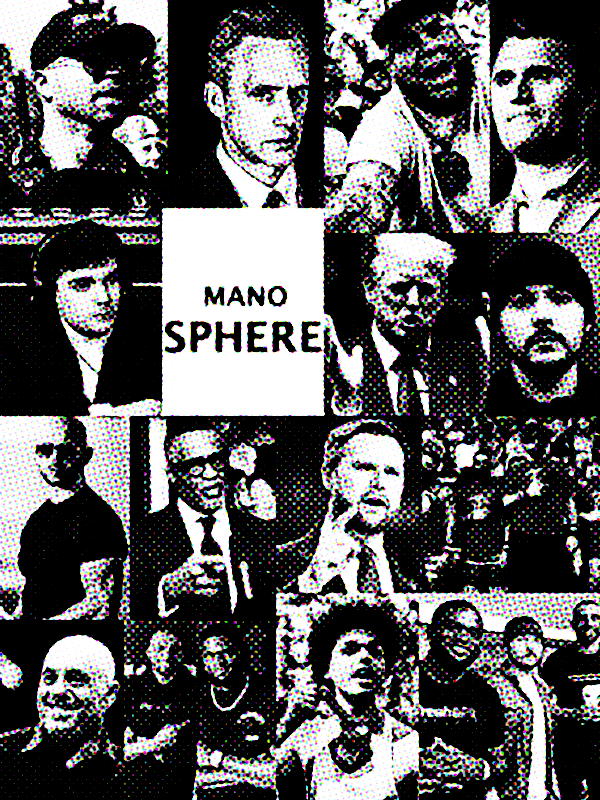
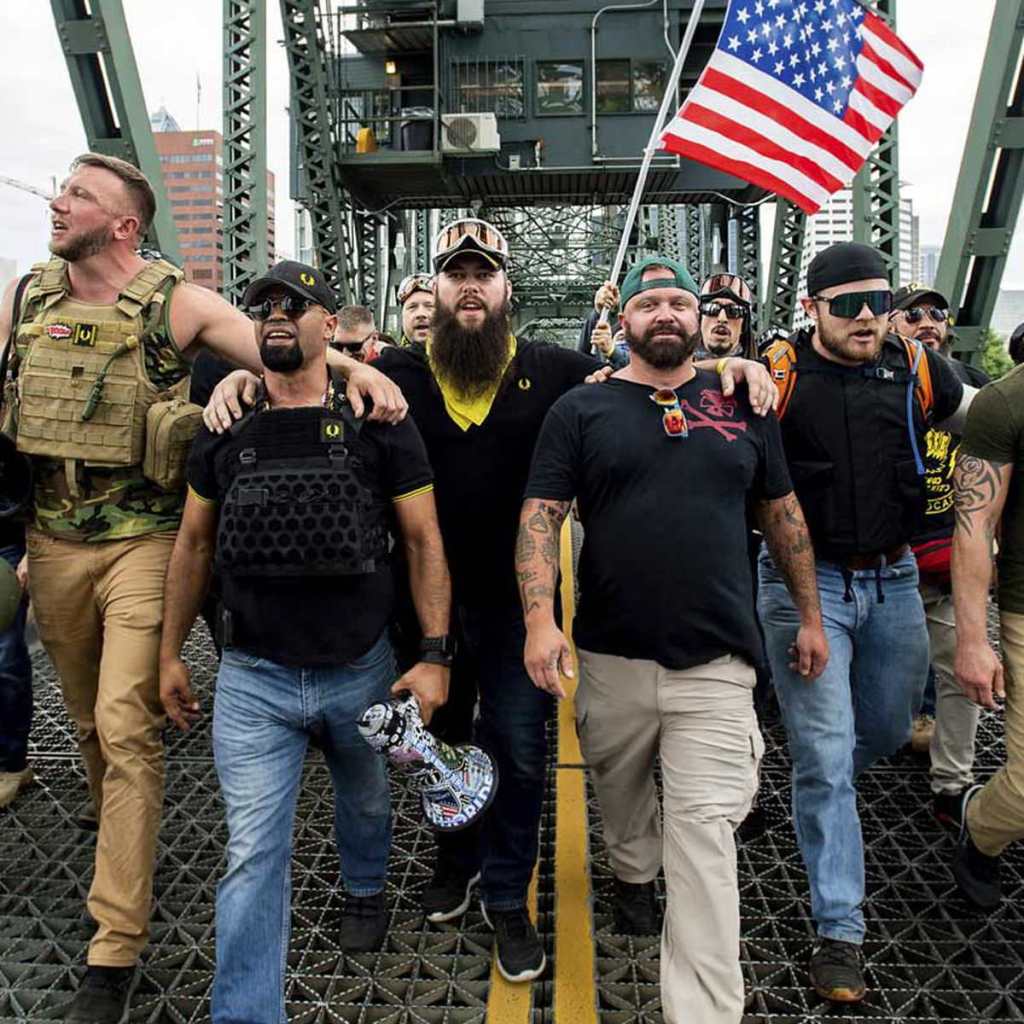
Significantly, these traditionalist movements gain traction by exploiting the clashes, uncertainties and fears associated with changing gender norms. The rise of the “Manosphere” and its various offshoots, including more extreme elements advocating for overt male supremacy, is a clear manifestation of this backlash. Similarly, Christian Nationalism and other authoritarian tendencies mirror this sentiment, positioning an aggrandized masculinity as a counterforce to the perceived threats of feminism and gender equality. This “hypermasculinity” aligns to fascism’s history that always glorifies aggression, dominance, and militarism. Their rhetoric often idealizes a past where gender roles were rigidly defined and adhered to, appealing to those who find the current flux in identities and relationships disorienting or threatening (see references below).
This cultural pushback has bled into mainstream politics and social policies manifesting in rolling back abortion rights, LGBTQ+ rights, domestic violence services and others. The dynamic is clear, as individuals bitterly grapple with changing gender roles, public opinions skews towards conservatism, driving regressive policies and ideologies (see references below).
Nevertheless, a profound opportunity exists. One based on a conviction that humans beings value unity, liberty and equality. Our power is to mirror a society that values free identities and equitable partnerships. We build a broader culture of acceptance by fostering relationships that embrace flexibility over rigidity. By successfully navigating relationship complexities—with compassion, understanding, and open communication—we help reenforce a more empathetic society that values reciprocity, freedom and cooperation.
Each successful relationship serves as a microcosm of what we can achieve on a larger scale: a society that embraces change and diversity without resorting to backlash or repression. Together, as we dance on, let us lead with empathy, recognizing our tangled fates, ensuring our steps towards progress are compassionate and bold.
Links:
- MISOGYNY COMES ROARING BACK
- Emboldened ‘manosphere’ accelerates threats and demeaning language toward women after US election
- How America Embraced Gender War
- Are Young Men Really Becoming More Sexist?
- Behind the Movement to Turn Back the Clock on Gender Roles
- The Manosphere won
- The fate of the first-ever White House Gender Policy Council is uncertain in Trump’s administration
- Women’s Aid warns funding cuts will have ‘devastating impact’
- Swiping Right: The Allure of Hyper Masculinity and Cryptofascism for Men Who Join the Proud Boys
Footnotes:
1“The Dawn of Everything: A New History of Humanity”, David Graeber and David Wengrow, 2021, Farrar, Straus and Giroux
2 “…the great humanistic and historical task of the oppressed: to liberate themselves and their oppressors…”
3 This feeling is like a pre-conscious “click” when parts built to fit join. This slippery notion may be the kind of mental moment that results from conditioning that’s early and on-going.









































 pepitothinking